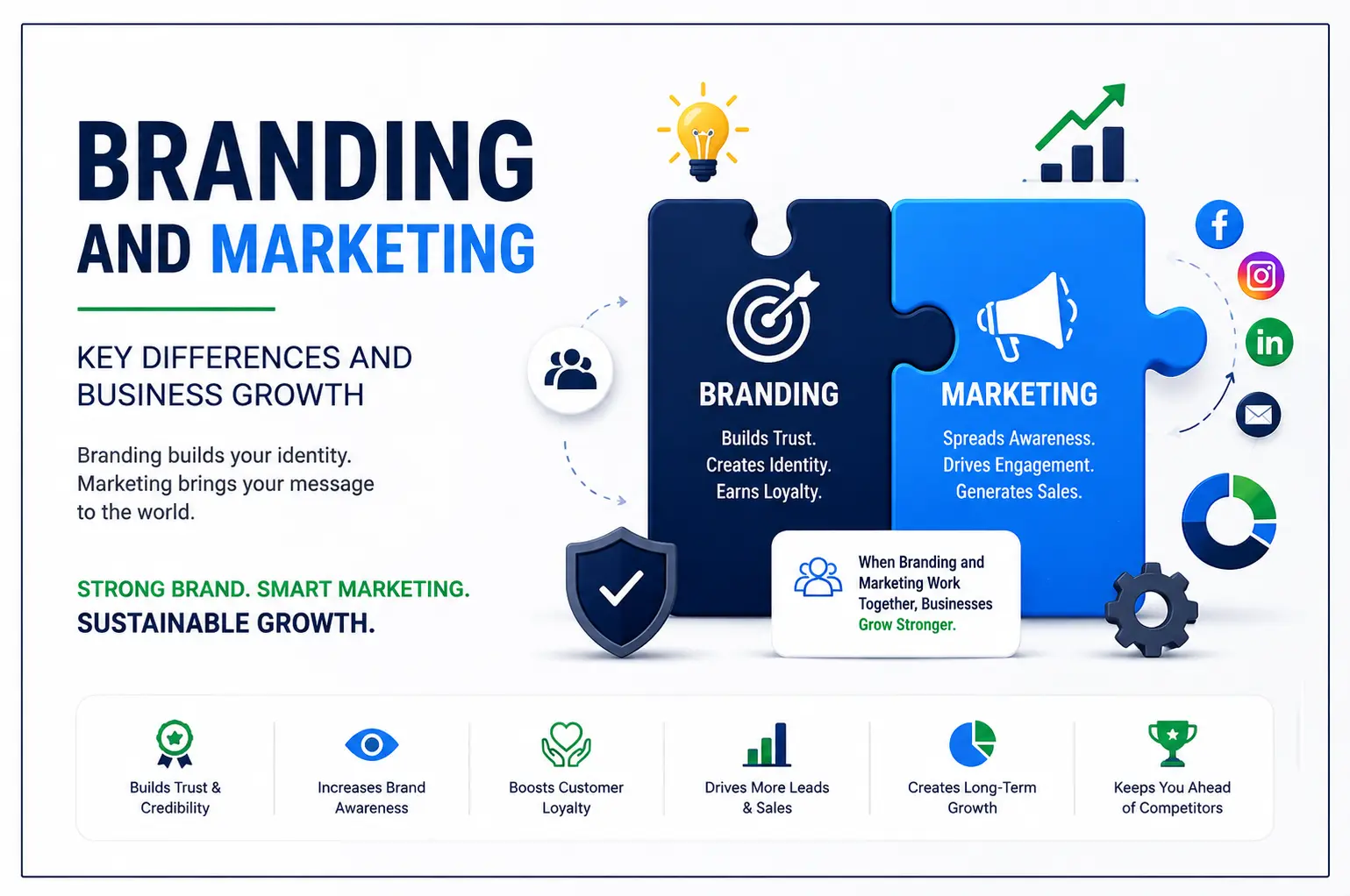
Branding and Marketing: Understanding the Difference and Building a Strong Business Strategy
A comprehensive guide for business owners, entrepreneurs, and marketers seeking scalable, long-term growth.
In the fast-paced business world, business owners, startups, and marketing professionals frequently use the terms branding and marketing interchangeably. It is common to hear entrepreneurs talk about “doing some branding” when running a Facebook ad campaign, or discussing “marketing” when designing a new logo. While these two disciplines are deeply interconnected, treating them as the exact same concept is a critical mistake that can undermine your overall business growth.
Understanding the fundamental distinction between branding and marketing is essential for building a resilient enterprise. Branding defines who you are, what values you stand for, and how your audience feels when interacting with you. Marketing, on the other hand, consists of the strategic actions, tools, and campaigns you deploy to bring that identity in front of prospective customers.
Key Takeaway:
Branding builds customer trust and long-term value; marketing drives immediate awareness, lead generation, and conversions. Without strong branding, marketing effort yields diminishing returns.
What Is Branding?
At its core, branding is the process of shaping how people perceive your business. It is the intangible soul of your enterprise—the deliberate operational and emotional expression of your vision, ethos, and purpose. While products have defined lifespans, a successful brand creates an enduring legacy.
Core Components of Brand Identity
A comprehensive brand identity extends far beyond aesthetic elements. It encompasses several foundational pillars:
- Brand Mission and Values: The core purpose driving your operations beyond mere profitability, along with the ethical guidelines governing your decisions.
- Brand Personality and Voice: The tone, language, and behavioral traits your business uses in communications—whether formal, casual, authoritative, or playful.
- Visual Branding Elements: The tangible visual signatures of your business, including your logo design, color palette, typography, photography guidelines, and UI design.
- Customer Perception: The collective feelings, thoughts, and expectations customers hold about your company whenever they interact with your touchpoints.
What Is Marketing?
Marketing refers to the tactical processes, strategies, and tools used to promote and sell products or services to a target audience. If branding is who you are, marketing is how you communicate that message to drive engagement, sales, and sustainable revenue.
Primary Channels in Digital Marketing
Modern digital marketing strategies leverage diverse channels to reach potential customers at various stages of the buying journey:
- Search Engine Optimization (SEO): Optimizing website structure and content to capture organic search traffic from search engines like Google.
- Content Marketing: Publishing informative blog posts, whitepapers, videos, and guides to educate and solve target audience problems.
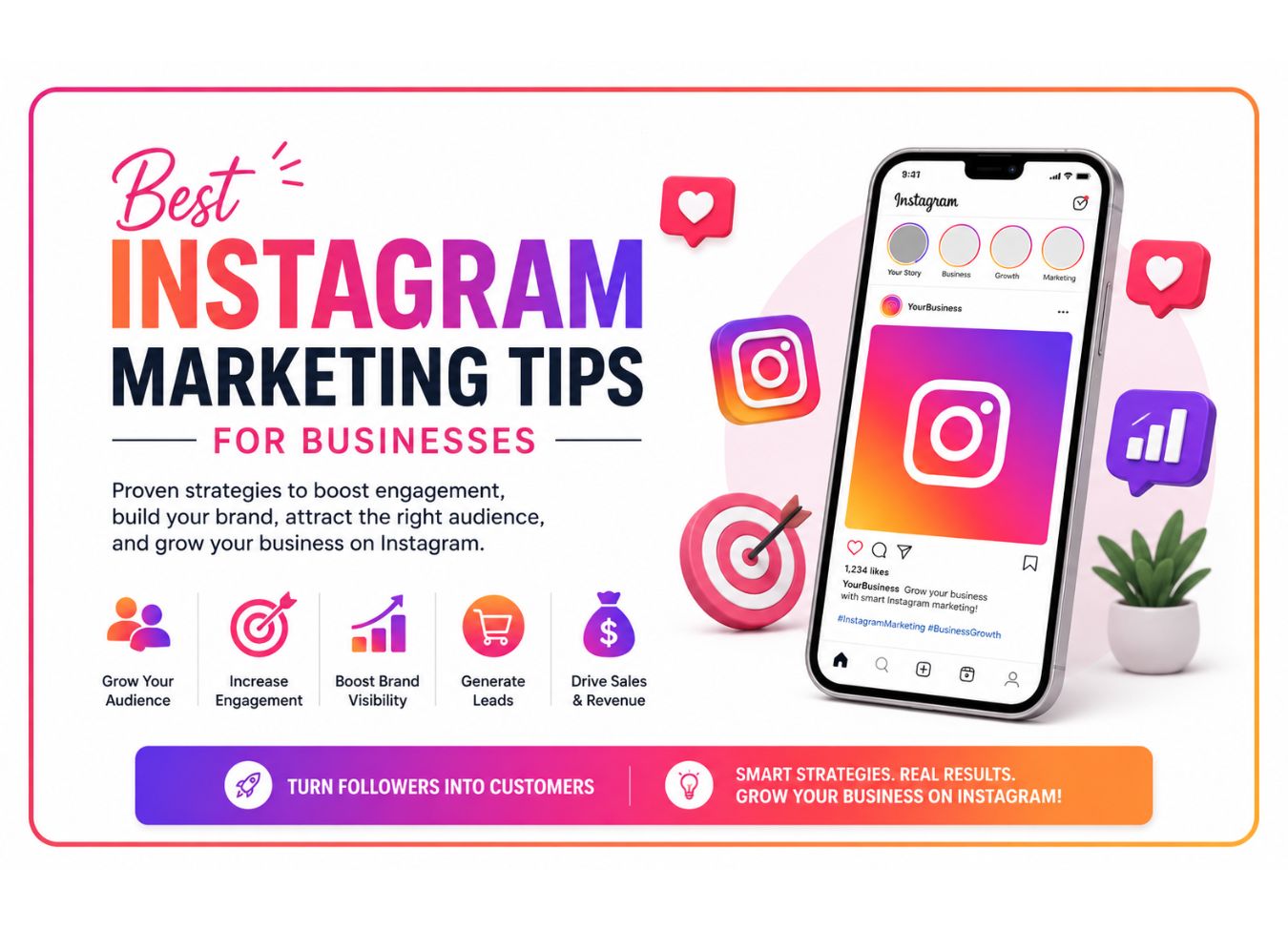
- Social Media Marketing: Engaging audiences on platforms like LinkedIn, Instagram, and Twitter to build community and promote offerings.
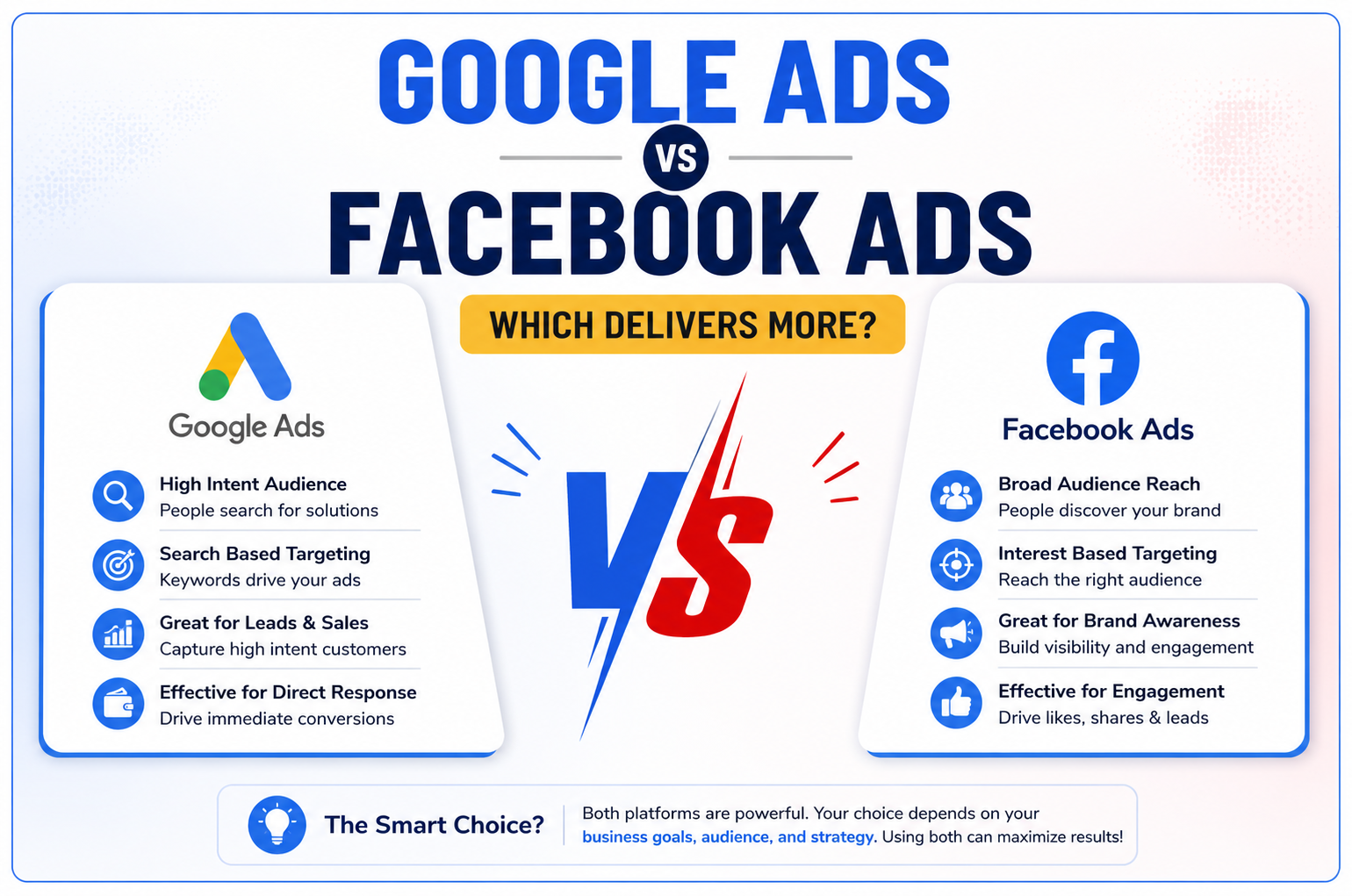
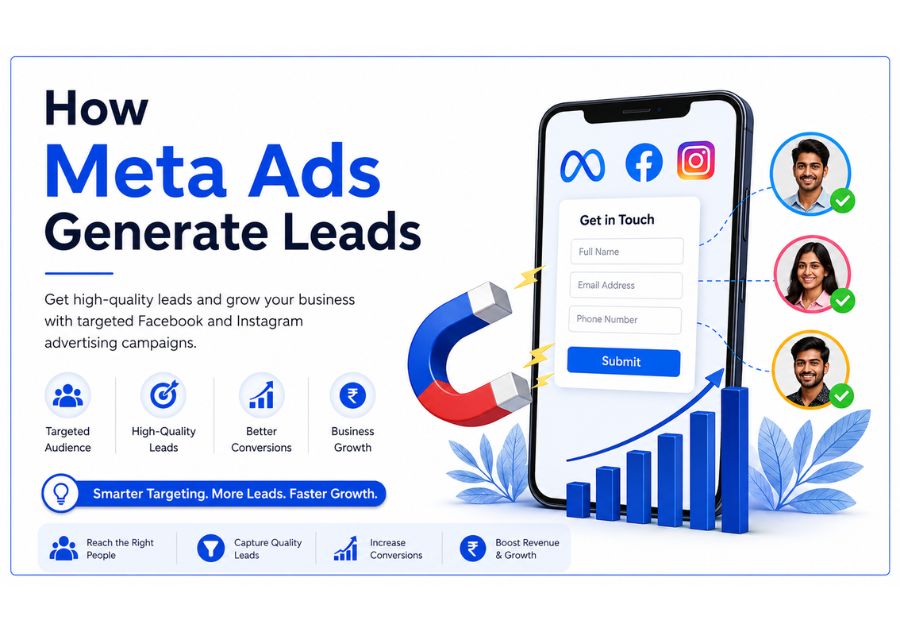
- Paid Advertising (PPC): Running targeted ad campaigns across Google Ads, Meta Ads, and programmatic networks for instant traffic and lead capture.
- Email Marketing: Nurturing leads and retaining existing clients through structured email workflows and newsletters.
Branding vs Marketing: What Is the Difference?
While marketing attracts customers to your store or website, branding determines whether they decide to trust you, purchase from you, and return in the future. Branding shapes perception; marketing activates audience action.
| Feature / Dimension | Branding | Marketing |
|---|---|---|
| Core Purpose | Defines identity, values, and emotional connection. | Promotes offerings and drives revenue growth. |
| Time Horizon | Long-term (builds over years). | Short-to-medium term (campaign-based). |
| Primary Focus | Who you are (The “Why”). | How you communicate (The “How”). |
| Target Impact | Builds trust, retention, and loyalty. | Generates leads, traffic, and immediate sales. |
| Strategy Evolution | Remains steady and consistent over time. | Adapts constantly to market trends and channels. |
How Branding and Marketing Work Together
Branding and marketing should never operate in isolation. Instead, think of them as a strategic synergy: branding establishes the foundation, and marketing builds the reach. When marketing campaigns are supported by strong, cohesive branding, conversion rates rise dramatically because prospects recognize and trust the message instantly.
Consider a high-performing digital ad campaign. Marketing delivers the ad to the right buyer segment at the optimal moment. However, if the landing page lacks visual consistency, standard brand messaging, or clear values, the user leaves without converting. A clear branding strategy completes the journey by converting campaign traffic into loyal clientele.
Why Strong Branding Is Important for Marketing Success
Without clear branding, marketing initiatives become costly and inefficient. Investing in your brand baseline delivers quantifiable business advantages:
- Builds Immediate Customer Trust: Modern consumers purchase from brands they trust. Clear values and consistent presentation eliminate purchasing friction.
- Improves Brand Recognition: Distinctive logos, color schemes, and messaging make your advertisements instantly recognizable across saturated digital feeds.
- Ensures Channel Consistency: Whether a customer visits your physical store, website, or social channels, unified messaging creates a reliable customer experience.
- Differentiates You from Competitors: In crowded markets, products can be replicated easily; unique brand identities cannot.
- Encourages Customer Loyalty: Strong emotional branding turns casual buyers into brand advocates who perform organic word-of-mouth promotion.
Essential Elements of a Successful Branding Strategy
Building an influential business brand requires a disciplined strategic framework. Ensure your organization incorporates these vital elements:
- Target Audience Research: Deeply understand demographic profiles, pain points, desires, and online behaviors of your ideal customers.
- Unique Value Proposition (UVP): Articulate a concise statement detailing what makes your solution superior to market alternatives.
- Brand Positioning: Define your specific niche in the competitive landscape (e.g., premium luxury, budget-friendly, highly innovative).
- Brand Voice and Messaging: Establish guidelines for how your brand speaks, ensuring uniformity across marketing copy.
- Cohesive Visual Identity: Develop standardized logos, color palettes, and typography guidelines documented in a brand style guide.
- Consistent Customer Experience: Align every customer touchpoint—from sales calls to customer support—with brand values.
Essential Elements of an Effective Marketing Strategy
To turn brand value into tangible revenue, businesses must execute an actionable marketing strategy grounded in metrics and clear goals:
- Setting Clear Marketing Goals: Define SMART objectives (Specific, Measurable, Achievable, Relevant, Time-bound) such as boosting lead volume by 30% in Q3.
- Audience Segmentation: Tailor promotional messages to specific segments within your target demographic.
- Selecting Strategic Channels: Focus marketing resources on platforms where your audience actively spends time.
- Creating High-Value Content: Address customer pain points through comprehensive articles, tutorials, and infographics.
- Leveraging SEO and Paid Advertising: Balance organic search engine visibility with high-intent paid campaigns for quick scalable growth.
- Tracking and Analytics Optimization: Measure KPIs continuously to refine campaign parameters and optimize return on investment (ROI).
How Small Businesses Can Combine Branding and Marketing
For entrepreneurs and small business owners operating with lean budgets, aligning branding and marketing is essential for maximizing ROI. Here is practical advice for effective integration:
- Maintain Consistent Social Media Branding: Use matching profile images, brand color templates, and consistent tone of voice across Instagram, Facebook, and LinkedIn.
- Build a Fast, Professional Website: Your website serves as your primary digital flagship. Ensure rapid load times, clean navigation, and consistent visual styling.
- Align Ad Copy with Brand Core: Ensure paid ads reflect real brand values rather than resorting to misleading clickbait.
- Execute Hyper-Targeted Local Campaigns: Run localized paid campaigns or community engagement initiatives that highlight your unique value proposition.
Common Branding and Marketing Mistakes to Avoid
Steer clear of these frequent pitfalls to safeguard your brand reputation and promotional investments:
- Inconsistent Visual Branding: Frequently altering brand colors, typography, or messaging confuses your target audience and dilutes brand recognition.
- Copying Competitors: Imitating rival brands erodes authenticity and makes it difficult to present a compelling value proposition.
- Focusing Solely on Sales Promotions: Overemphasizing hard sales tactics without establishing brand value creates price sensitivity and undermines customer loyalty.
- Ignoring Customer Feedback: Neglecting review channels or user suggestions disconnects your brand perception from consumer reality.
- Executing Marketing Without Strategy: Running ads or publishing posts randomly without defined goals leads to wasted ad spend.
Future Trends in Branding and Marketing
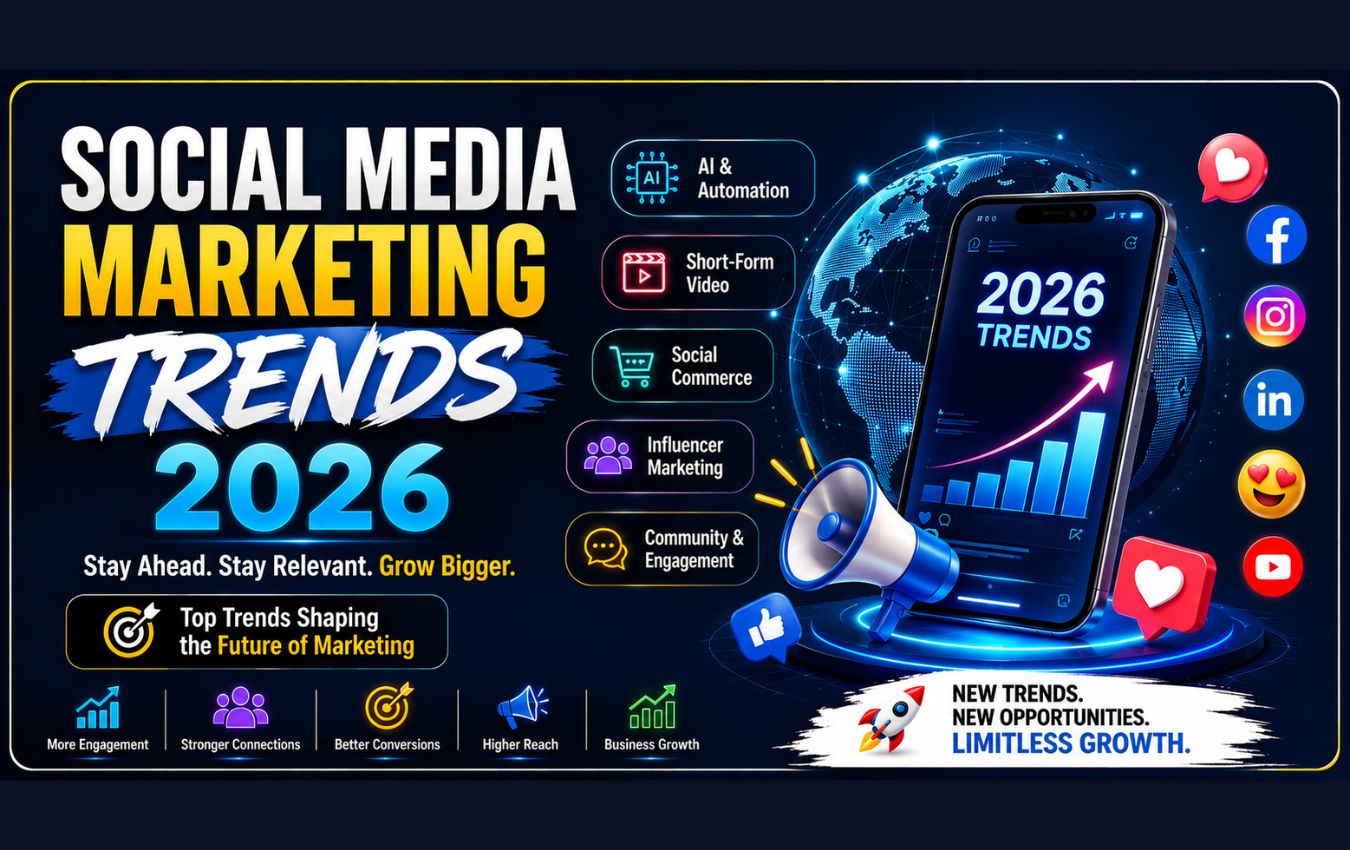
The landscape of business branding and digital promotion is evolving rapidly due to emerging technology and changing consumer expectations. Key future trends include:
- AI-Powered Personalization: Utilizing artificial intelligence to deliver hyper-relevant content and tailored product recommendations in real-time.
- Authenticity and Purpose-Driven Marketing: Modern consumers favor authentic brands that champion sustainability, ethics, and social responsibility.
- Dominance of Short-Form Video: Video content across platforms like YouTube Shorts, and Instagram Reels remains essential for brand storytelling.
- Interactive Digital Experiences: Augmented reality (AR) try-ons and immersive website features are bridging the gap between digital interaction and physical commerce.
Frequently Asked Questions (FAQs)
Q1: What is the main difference between branding and marketing?
Branding defines your business identity, values, personality, and customer perception. Marketing encompasses the tactical activities, campaigns, and channels used to promote products or services to generate revenue.
Q2: Which comes first, branding or marketing?
Branding must always come first. You need a clearly defined brand identity, mission, target audience, and positioning before launching marketing campaigns to ensure consistent and effective communication.
Q3: Can a small business succeed without strong branding?
While a business might generate short-term sales through heavy marketing spend, long-term success, customer retention, and premium pricing are nearly impossible without strong branding to build customer trust and loyalty.
Q4: How does branding affect marketing performance?
Strong branding significantly improves marketing performance by boosting conversion rates, lowering customer acquisition costs (CAC), and increasing ad engagement due to visual recognition and audience trust.
Q5: How can businesses improve their branding and marketing?
Businesses can refine branding by conducting market research, defining a clear brand voice, and creating comprehensive style guides. Marketing can be optimized by tracking ROI analytics, creating valuable content, and running targeted digital campaigns.
Conclusion
In summary, branding creates the solid foundation of your business identity, while marketing provides the engine that communicates that identity to your prospective audience. Relying on marketing without branding leads to inconsistent messaging and lost trust, whereas building a brand without executing marketing limits your reach. By combining a compelling brand strategy with multi-channel digital marketing, businesses can build sustainable customer loyalty, stand out from competitors, and unlock long-term financial growth.
Ready to Elevate Your Brand Strategy and Scale Your Business?
Transform your market presence with customized branding services, digital marketing, SEO, and social media campaigns engineered for measurable success.